


Impact of Missionaries in Early 20th Century China
The early 20th century was a transformative period for China, marked by significant social, political, and cultural changes. Among the various influences that shaped this era, the role of missionaries stands out. These individuals, driven by their religious convictions, ventured into China with the aim of spreading Christianity and improving the lives of the local population. Their impact was profound, affecting education, healthcare, and social reform. This blog post explores the multifaceted influence of missionaries in early 20th century China, highlighting both their contributions and the complexities of their presence.
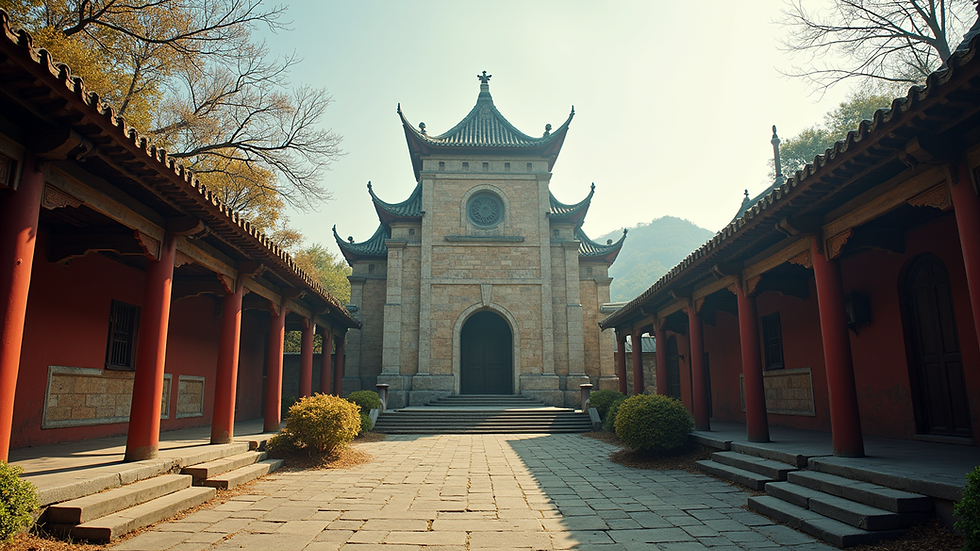
The Arrival of Missionaries
The arrival of missionaries in China can be traced back to the 16th century, but it was during the 19th and early 20th centuries that their numbers significantly increased. Various denominations, including Protestant and Catholic missionaries, established missions across the country. They were motivated by a desire to convert the Chinese people to Christianity, but their influence extended far beyond religious conversion.
Key Motivations for Missionary Work
Religious Conviction: Missionaries believed it was their duty to spread the teachings of Christianity. They viewed their work as a divine calling to save souls.
Social Reform: Many missionaries were also driven by a desire to improve social conditions. They sought to address issues such as poverty, illiteracy, and healthcare.
Cultural Exchange: Missionaries often acted as cultural intermediaries, facilitating exchanges between Western and Chinese cultures. They introduced Western education, medical practices, and technologies.
Educational Contributions
One of the most significant impacts of missionaries in early 20th century China was in the field of education. They established schools and colleges that provided a modern education to Chinese students, particularly in urban areas.
Establishment of Schools
Primary and Secondary Schools: Missionaries founded numerous primary and secondary schools, which offered education to both boys and girls. This was a radical shift in a society where education was often reserved for males.
Higher Education Institutions: Some missionaries established universities, such as Yenching University in Beijing, which became a center for higher learning and intellectual discourse.
Curriculum and Teaching Methods
Missionary schools introduced a curriculum that emphasized not only religious education but also subjects like science, mathematics, and literature. They employed modern teaching methods, which contrasted sharply with traditional Chinese education.
Impact on Gender Equality
The education provided by missionaries played a crucial role in advancing gender equality. By educating girls, missionaries helped to challenge traditional gender roles and empower women in Chinese society.
Healthcare Initiatives
In addition to education, missionaries made significant contributions to healthcare in China. They established hospitals and clinics that provided medical care to underserved populations.
Establishment of Hospitals
Missionary Hospitals: Many missionaries founded hospitals that offered both Western medicine and traditional Chinese treatments. These institutions became vital healthcare providers in their communities.
Training of Medical Professionals: Missionaries also trained local medical professionals, helping to build a sustainable healthcare system.
Public Health Campaigns
Missionaries were often at the forefront of public health campaigns, addressing issues such as sanitation, vaccination, and disease prevention. Their efforts contributed to improved health outcomes in many regions.
Social Reform and Advocacy
Missionaries were not only focused on education and healthcare; they also played a role in advocating for social reforms. They addressed issues such as child labor, women's rights, and the abolition of practices like foot binding.
Advocacy for Women's Rights
Missionaries were instrumental in promoting women's rights in China. They challenged traditional practices that oppressed women and advocated for their education and empowerment.
Efforts Against Child Labor
Many missionaries campaigned against child labor, highlighting the exploitation of children in factories and other industries. They sought to raise awareness and promote legislation to protect children's rights.
Cultural Tensions and Criticism
Despite their contributions, missionaries faced criticism and resistance from various segments of Chinese society. Their presence often sparked cultural tensions and led to accusations of cultural imperialism.
Accusations of Cultural Imperialism
Some Chinese viewed missionaries as agents of Western imperialism, believing they sought to undermine Chinese culture and values. This perception was exacerbated by the unequal treaties imposed on China by Western powers.
Resistance from Traditionalists
Traditionalists in China resisted the influence of missionaries, viewing their teachings as a threat to Confucian values and social order. This resistance sometimes led to violent confrontations.
The Legacy of Missionaries
The legacy of missionaries in early 20th century China is complex. While they made significant contributions to education, healthcare, and social reform, their presence also raised questions about cultural imperialism and the impact of Western influence.
Lasting Educational Impact
The educational institutions established by missionaries laid the groundwork for modern education in China. Many of these schools and universities continue to operate today, contributing to the country's educational landscape.
Healthcare Advancements
The healthcare initiatives introduced by missionaries have had a lasting impact on public health in China. The training of local medical professionals and the establishment of hospitals helped to improve healthcare access and outcomes.
Social Change
Missionaries played a role in advancing social change in China, particularly in areas related to women's rights and child welfare. Their advocacy laid the foundation for future reforms.
Conclusion
The impact of missionaries in early 20th century China was profound and multifaceted. They contributed to education, healthcare, and social reform, while also navigating the complexities of cultural tensions and resistance. Their legacy is a testament to the intricate interplay between faith, culture, and social change. As we reflect on this period, it is essential to recognize both the positive contributions and the challenges posed by their presence. Understanding this history can provide valuable insights into the ongoing dialogue between cultures and the role of external influences in shaping societies.
As we move forward, it is crucial to learn from the past and foster respectful cultural exchanges that honor the rich heritage of all peoples.


Comments